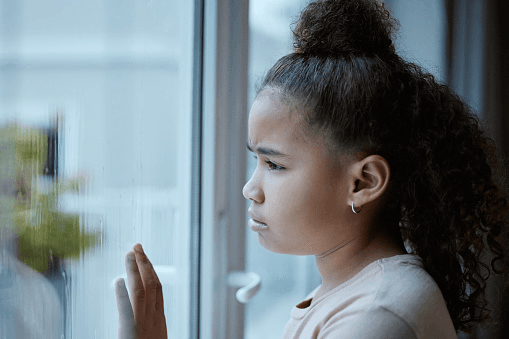
Your mother wound is often a silent reminder of the hurt your younger self carried alone, the hurt you were never allowed to name, express, or heal.
It begins in childhood, long before you understood emotions, boundaries, or attachment. Your inner child carries unmet needs, unexpressed pain, ignored emotions, and the belief that love must be earned.
In adulthood, the wound resurfaces the moment something reminds your nervous system of those early experiences. These triggers feel intense, confusing, overwhelming not because you are weak, but because a younger part of you is calling out for healing.
What Is the Mother Wound?
The mother wound refers to the emotional pain, unmet needs, identity struggles, and attachment injuries passed down from a mother figure who could not provide consistent love, safety, nurturing, or emotional presence.
This wound forms in childhood through experiences such as emotional neglect, criticism, invalidation, enmeshment, abandonment, comparison, or being forced into adult roles too early.
This wound does not stay in childhood. It follows you into adulthood, affecting self-worth, boundaries, attachment, emotional expression, and the ability to feel safe in relationships.
When something touches these early injuries, your inner child reacts often with intensity that feels bigger than the moment.
How It Shows Up in Adult Life
Even if your childhood feels distant, the mother wound can subtly or sometimes dramatically shape your adult experiences. You might not always recognize the connection, but these early patterns influence your thoughts, behaviors, and relationships. Here are some of the most common ways the mother wound shows up in everyday life. The mother wound can appear in subtle and overt ways:
- Difficulty trusting others: You may find it hard to believe people can truly care for or accept you.
- Perfectionism or people-pleasing: Feeling that love must be earned, you may overextend yourself to gain approval.
- Emotional overwhelm or numbness: Strong reactions or shutting down entirely can be a protective mechanism from past hurt.
- Troubled relationships: You may unconsciously seek partners who mirror the neglect or criticism you experienced, repeating old patterns.
- Identity struggles: Confusion about your worth, desires, or purpose may stem from being dismissed or invalidated as a child.
Hope In Healing The “Little” You
Many adults are unsure how to heal their inner child, especially when the wounds run deep and the patterns have been ingrained for years. But there is hope, in my book Healing The “Little” Me, I discuss the importance of healing your inner child wounds. Your inner child needs acknowledgment, validation, and a safe space to feel what was never allowed in childhood. This may involve:
- Therapy or counseling: Guided support can help process trauma, reframe beliefs, and build emotional resilience.
- Inner child work: Practices such as journaling, visualization, or dialogue with your younger self can bring awareness and comfort.
- Setting healthy boundaries: Learning to protect your energy and honor your needs is essential for reclaiming safety.
- Reparenting yourself: Offering your younger self the love, validation, and support you missed can gradually heal old wounds.
- Mindfulness and somatic practices: Body awareness, meditation, and breathwork can help regulate emotional reactions and soothe the nervous system.
Remember, healing the mother wound is not about blaming your mother or reliving trauma, it is about reclaiming your power, rewriting your story, and giving your inner child the love she needed but did not receive during the most important years of your life.
Until next time- stay well and take care,
Zelina Chinwoh, MSW, LCSW
For more related content like this, be sure to listen to “The Dear Unapologetically Me” podcast on Apple. Also, check out check out my latest book, Healing The “Little” Me, with all exclusive content and our YouTube page at The Healing Experience Now.
Disclaimer: This article is intended for educational purposes only. The information provided is not a substitute for professional advice, diagnosis, or treatment. Always seek the guidance of a qualified healthcare provider or mental health professional with any questions you may have regarding your mental health or well-being.